2026-09-16 · David Ellis
How Rodents Enter Through Rooflines, Vents & Utility Gaps
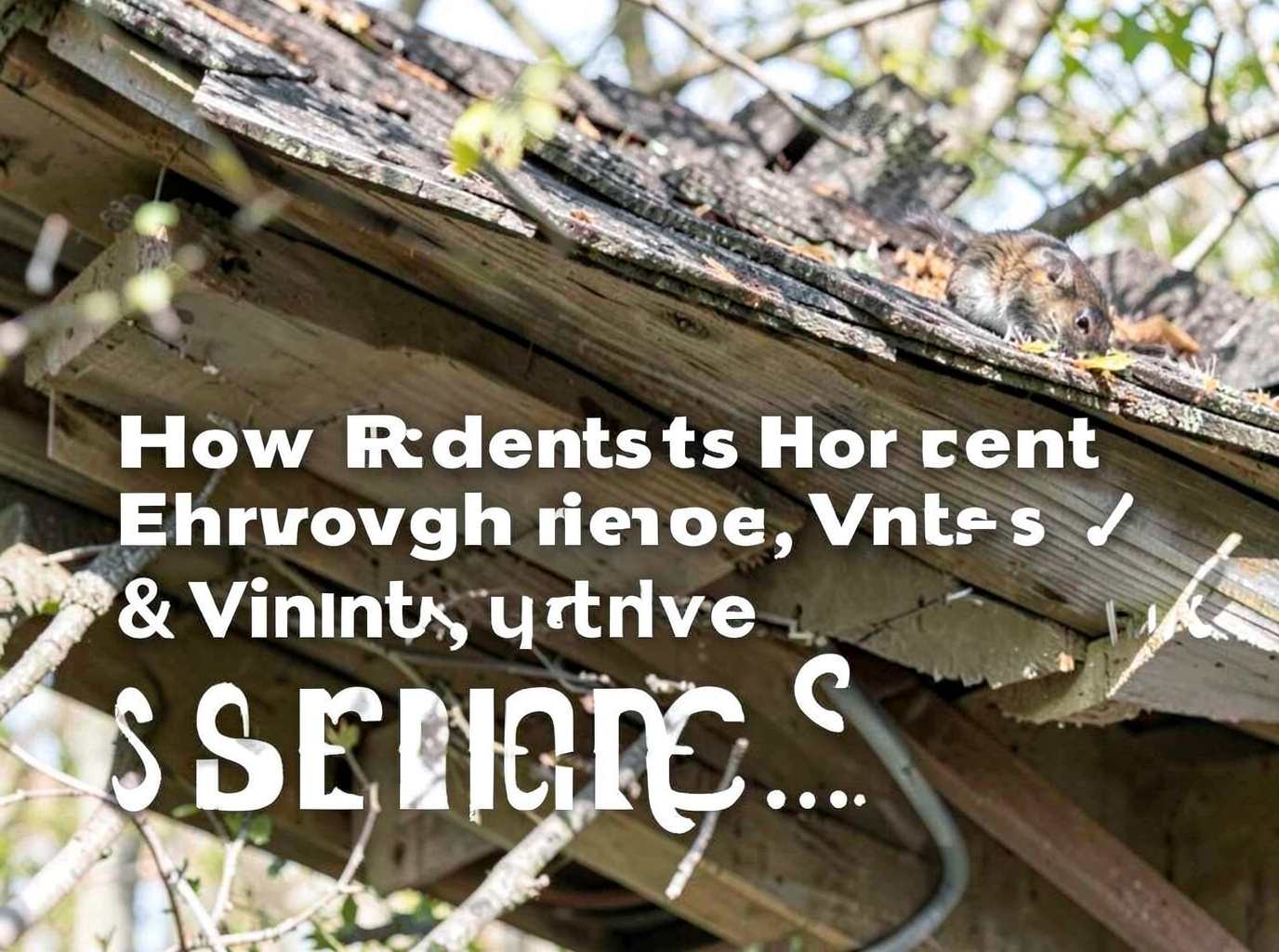
Rodents enter Spring homes through roofline gaps as small as 1/4 inch, damaged vent screens, and unsealed utility penetrations around pipes and cables. These routes give roof rats and mice direct access to attics in neighborhoods such as Old Town Spring and Imperial Oaks where homes sit under mature trees along Spring Creek Greenway.
Roofline Gaps Common in Harris County Homes
Older roofs in Old Town Spring Historic District and Spring Creek Oaks often develop separations at flashing, ridge vents, and soffits after decades of humid subtropical summers. Roof rats climb tree limbs or power lines and squeeze through these 1/4- to 1/2-inch openings where shingles meet the fascia. Once inside the attic they travel along rafters to find insulation and wiring. Homeowners in nearby The Woodlands and Conroe see the same pattern because the same roof styles and tree cover exist across northern Harris County. Regular visual checks from a ladder reveal lifted flashing or chewed soffit edges before populations grow.
Vents That Provide Easy Access
Bathroom, dryer, and ridge vents frequently lose their original screening in homes built before 1990 in Imperial Oaks and Spring Trails. A 1-inch tear or missing mesh lets a roof rat enter in seconds. The area's hot, humid summers keep vents in constant use, so screens corrode faster than in drier climates. Utility exhaust vents on the side of the house also lose caulk around the perimeter, creating additional 3/8-inch gaps. Checking each vent cover during a roof inspection catches these openings before rodents establish nests in the attic insulation.
Utility Penetrations Around Pipes and Wires
Water lines, electrical conduits, and cable entries create round holes that expand over time from settling and weather cycles. In Champion Forest and Timber Lane, many homes have 1/2-inch or larger gaps where PVC pipes enter the attic because original foam sealant dries out after eight to ten years. Roof rats chew the softened material and widen the opening further. Running a finger around each penetration during an inspection reveals loose or missing sealant that needs replacement with steel wool and caulk rated for exterior use.
Local Conditions That Increase Entry Risk
The humid subtropical climate keeps vegetation lush year-round, giving rodents continuous cover to travel from Spring Creek Greenway into residential yards. Heavy summer rains cause soil movement that shifts rooflines slightly, reopening sealed gaps. Homes near Houston, The Woodlands, and Conroe share the same tree canopy and older construction that favors roof rats. These factors combine so that a single missed 1/4-inch opening often leads to repeated entries within one season.
Practical Next Steps After Identifying Entries
A thorough rodent inspection identifies every opening along the roofline and utility lines before exclusion work begins. Once gaps are documented, rodent exclusion seals them permanently with metal flashing and heavy-duty mesh. Homeowners who want to understand why roof rats target attics in this region can read Why Roof Rats Get Into Attics in Spring TX. For those comparing service options, Understanding the Cost of Rodent Control Services in Spring, Texas outlines typical pricing factors tied to access difficulty and home size.